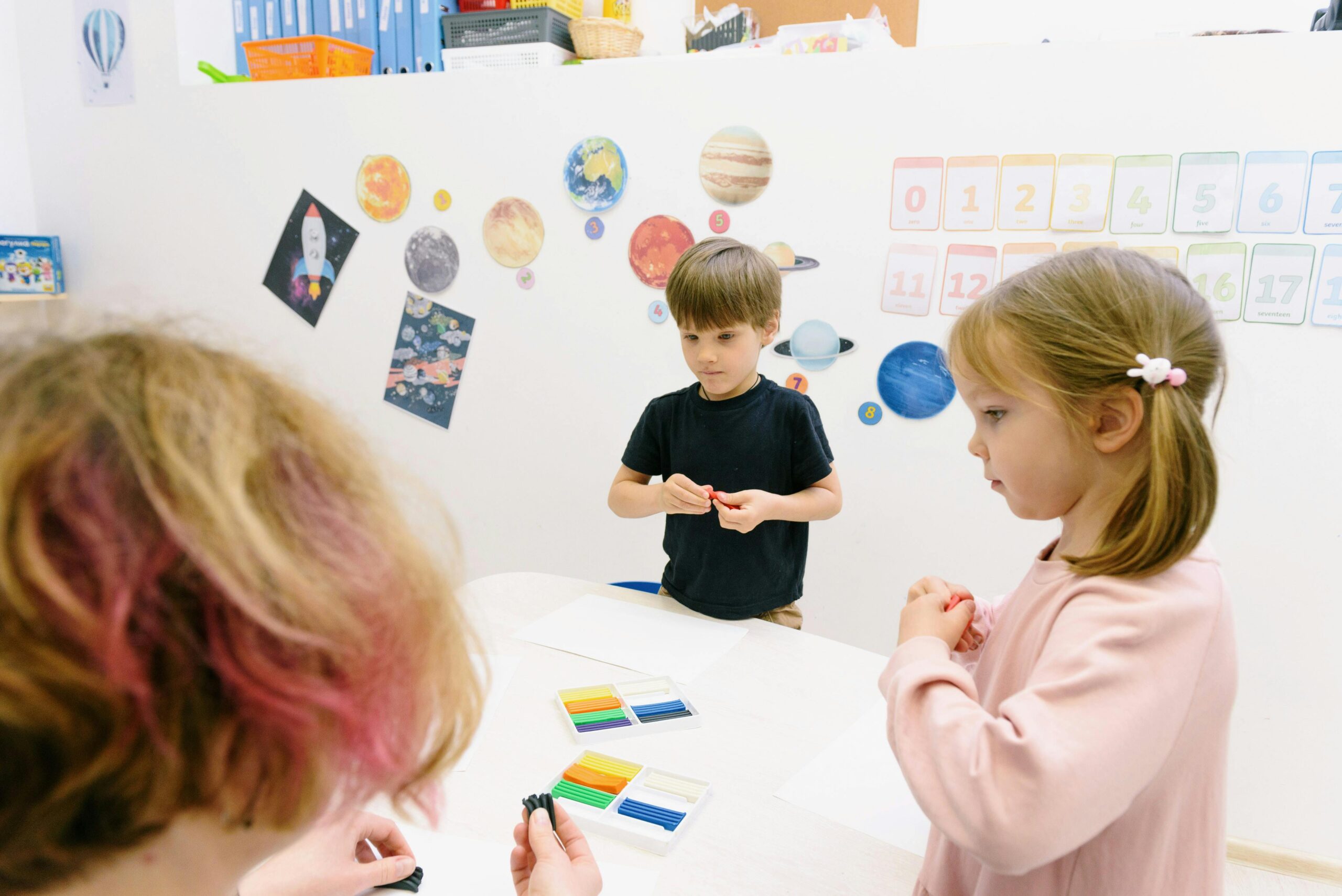
Across three sessions, educators examined how everyday moments; conversations, play, writing, and problem-solving—served as meaningful evidence of student understanding. Participants practiced the Notice–Interpret–Respond (NIR) cycle and learned to connect documentation with planning, feedback, and instructional decisions. They also developed systems for portfolios, learning stories, and classroom evidence collection while strengthening teacher language and listening.
The workshop provided practical tools and routines, leaving teachers more confident in using assessment as an ongoing, meaningful dialogue.
Snapshot of participants’ feedback:
The Assessment with intent course was very insightful with many takeaways for me. I did not realise that 2.5 hrs just flew by each day. The course instructor Ms Budworth helped us see many perspectives and contributed her experience and expertise to many meaningful break out room discussions where we did get a chance to be in smaller groups. For me, it was also a personal reflection time to introspect and take a few steps forward and sometimes maybe just pause.
Triveni Nagaraj, The School of Raya, Bengaluru
The workshop was an incredibly enriching and reflective experience. It helped me rethink assessment and documentation in early childhood education, shifting my perspective from simply recording children’s work to truly understanding their thinking and learning processes. The sessions encouraged deep reflection on our language, observations, and how we make children’s learning visible. I particularly appreciated the practical discussions around learner agency, documentation, and involving children in reflecting on their own learning.
Asha Binu, The School of Raya, Bengaluru
The workshop offered a deeply reflective and enriching learning experience. It shifted my perspective on documentation from simply recording learning to intentionally noticing and interpreting the often invisible aspects of the learning process. The discussions, case studies, and practical strategies provided meaningful insights into how educators can make learning visible and respond more thoughtfully to learners. It was a powerful professional learning opportunity that will certainly influence how I observe, document, and design learning experiences in my classroom.